
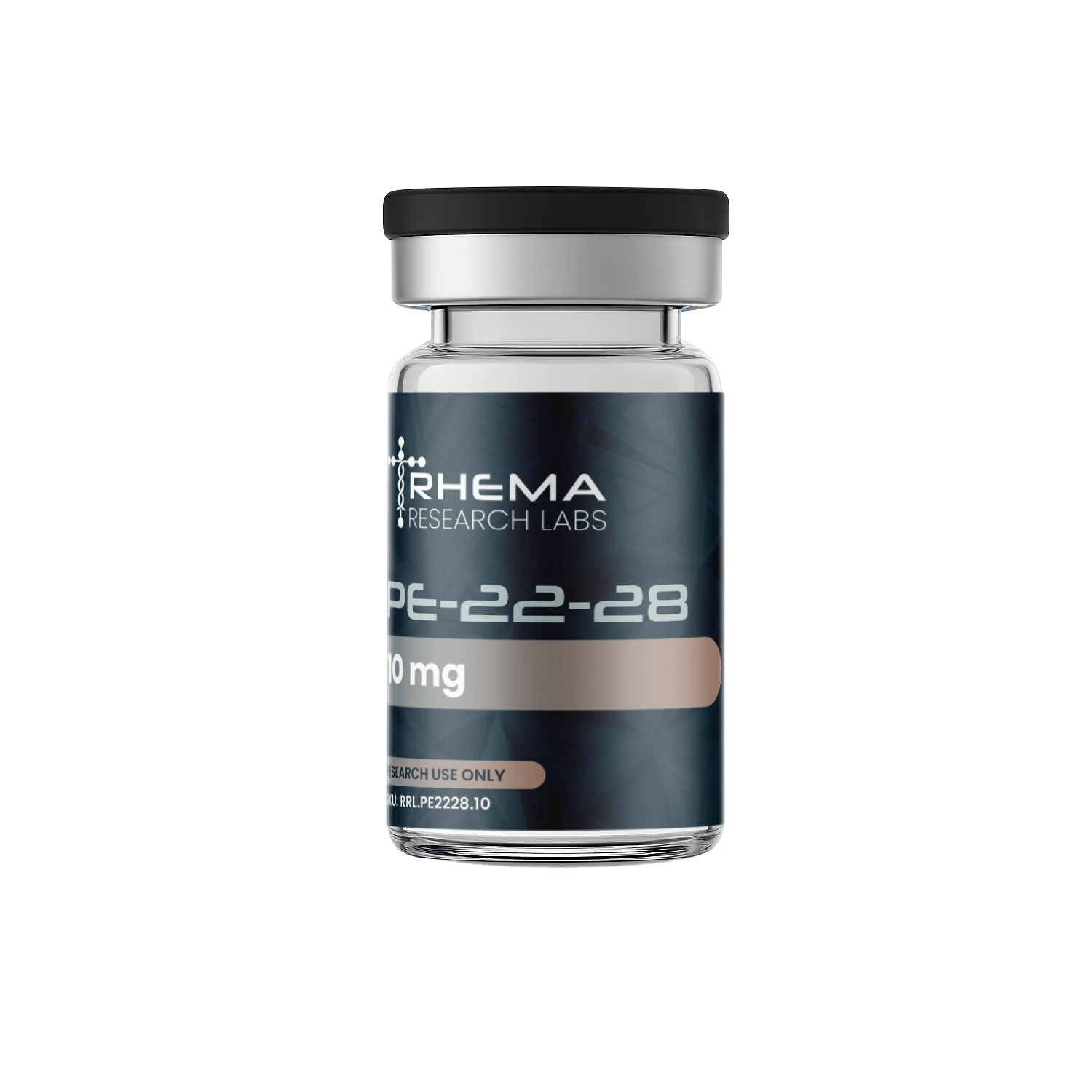
PE-22-28 (10mg)
Original price was: $110.00.$59.00Current price is: $59.00.Verify to view price
For Research Use Only — Not for Human Use. PE-22-28 is a synthetic heptapeptide fragment derived from the spadin sequence.
View Certificate of Analysis (COA) for this compound · Third-party tested. Research Use Only.
Description
PE-22-28 — 10 mg, lyophilised
Intended use
Research-grade reference material for in-vitro research, analytical method development and identity verification. PE-22-28 is a synthetic heptapeptide fragment derived from the spadin sequence. Research purpose: peptide characterisation, ion-channel binding assays and analytical method development in laboratory model systems.
Documentation
Certificate of analysis with identity, purity and lot number available for every lot. Format: lyophilised powder, 10 mg per sealed research vial. Storage: −20 °C, protect from light. Solvent compatibility: sterile lab solvent water (preserved) or sterile water.
Restrictions
For Research Use Only — Not for Human Use. Not for human or animal consumption, therapeutic use, clinical use, diagnostic use or resale to consumers. Not a drug, supplement or cosmetic.
Buyer acknowledgment
By ordering, the purchaser confirms they are at least 21, are acquiring this material solely for bona fide research, will not administer it to any human or animal, and have read the research-use-only labelling.
Additional information
| Weight | 0.0625 lbs |
|---|
Storage
Supplied as lyophilised (freeze-dried) powder in a sealed vial. Lyophilised material is stable at ambient temperature for the duration of domestic transit.
Long-term storage: −20 °C, protected from light. Short-term: 2–8 °C. Solvent compatibility: sterile lab solvent water (preserved) or sterile water. See the Certificate of Analysis for lot-specific data.
For Research Use Only — Not for Human Use.
Related products
-
Sale!
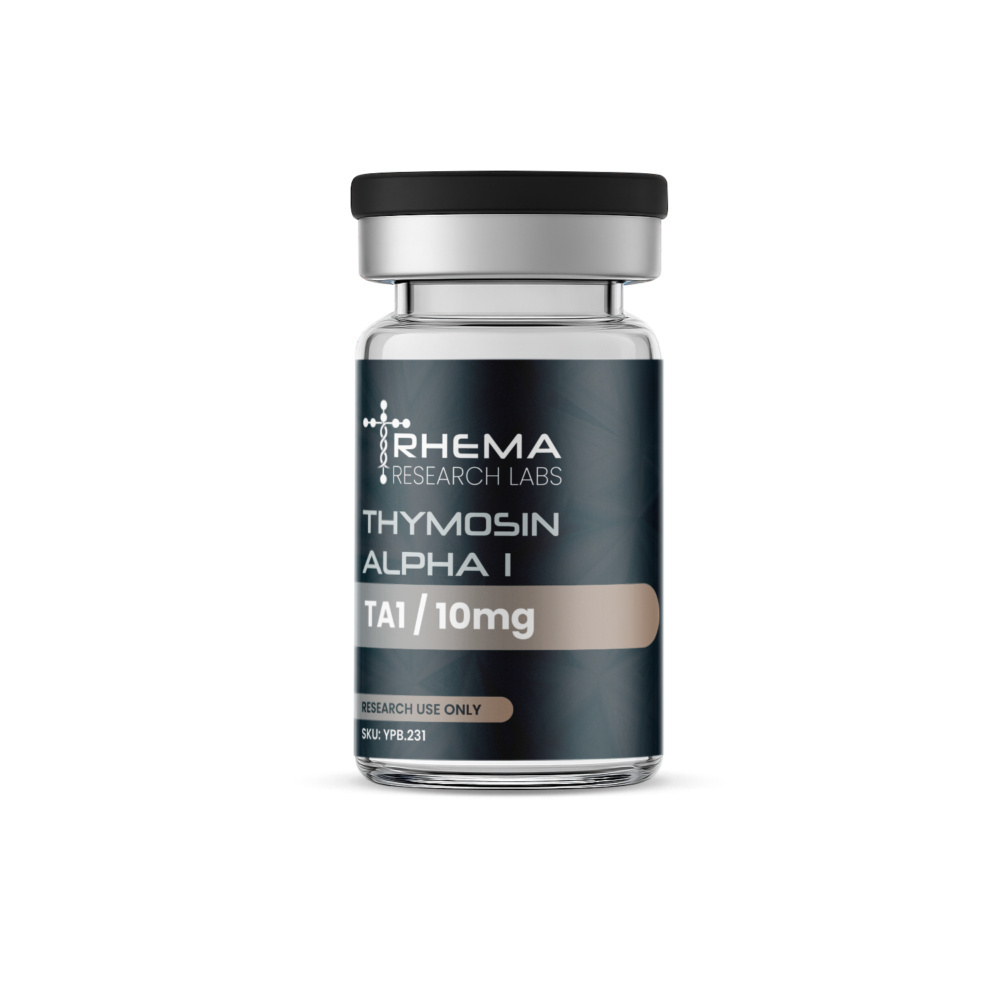
Thymosin Alpha 1 (TA1) (10mg)
Original price was: $150.00.$119.00Current price is: $119.00.Verify to view price -
-
Sale!
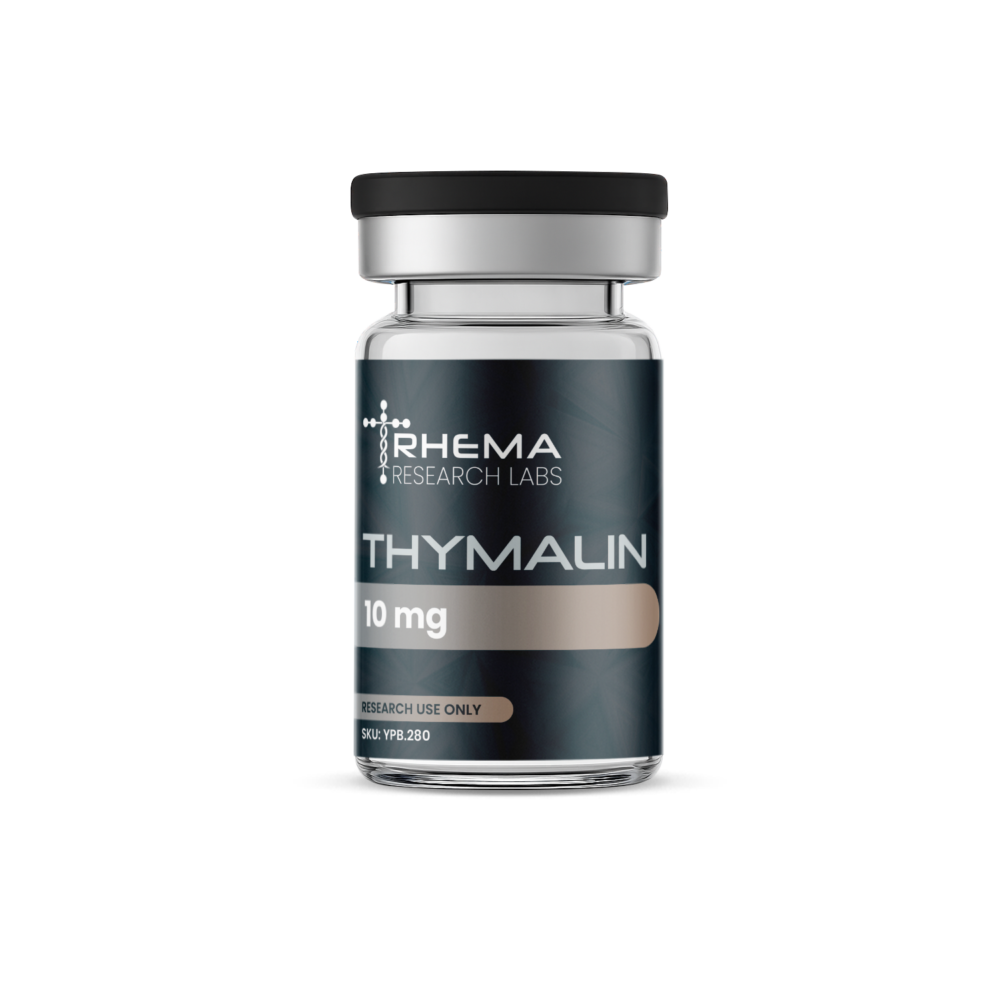
Thymalin (10mg)
Original price was: $130.00.$65.00Current price is: $65.00.Verify to view price